
The need
End-Stage Kidney Disease
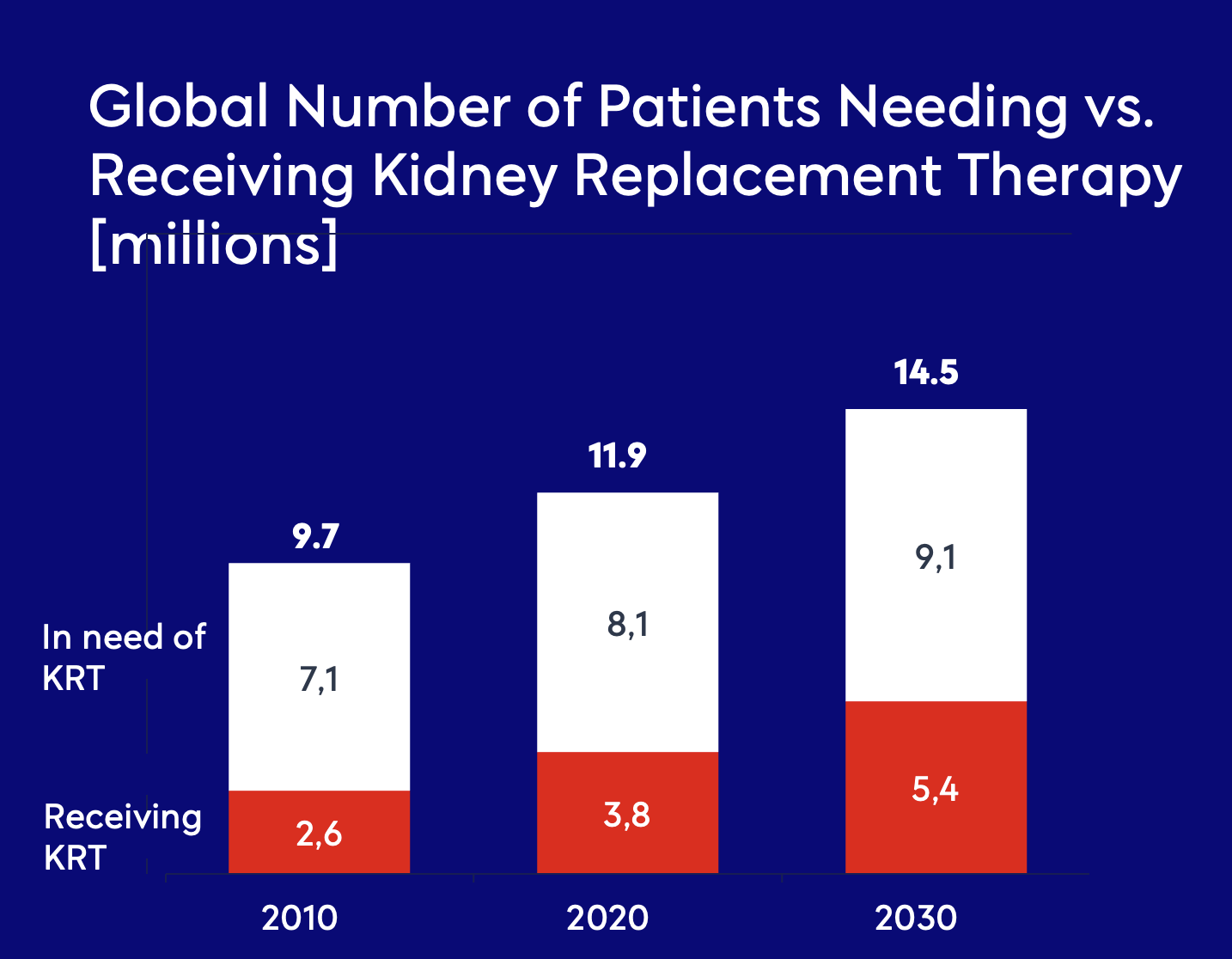
Every year, millions of people worldwide depend on dialysis to stay alive. Patients with end-stage kidney disease (ESKD) have lost nearly all kidney function, causing toxins and excess fluid to accumulate in the body. Without treatment, this condition is fatal.
While kidney transplantation offers the best long-term solution, the severe shortage of donor kidneys means that most patients rely on hemodialysis for many years, often for the rest of their lives.
The Challenge of Vascular Access
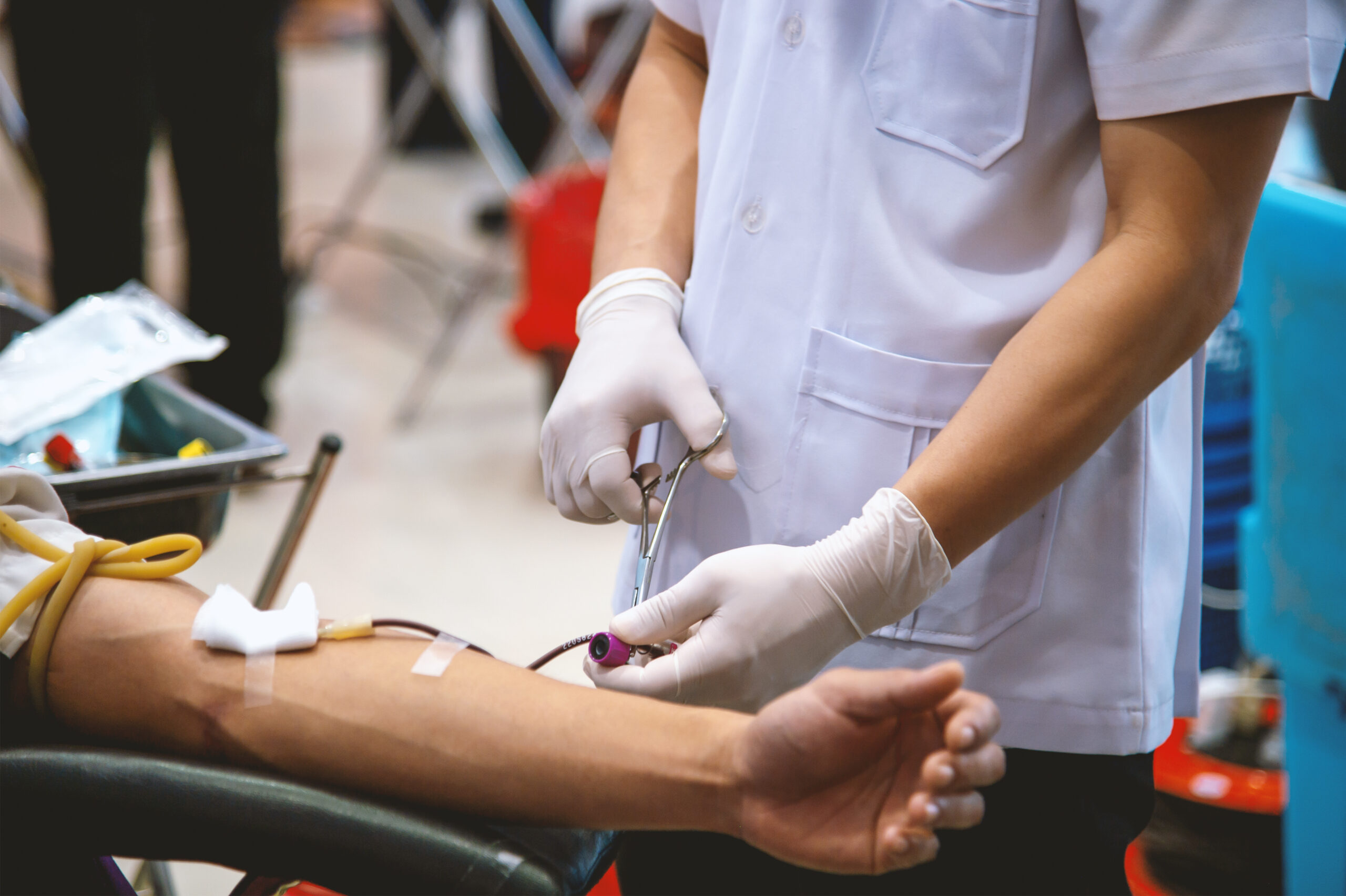
For dialysis to work effectively, blood must be circulated through the dialysis machine at very high flow rates. This requires a special blood vessel with a thickened wall that can withstand repeated punctures with large needles and can deliver high blood flow rates of up to 600 mL/min or more, allowing treatment to be completed within only a few hours.
Because such a blood vessel does not naturally exist, surgeons create one by connecting an artery to a vein in the arm, forming an arteriovenous fistula (AVF). The AVF is considered the gold standard for dialysis access and serves as the patient’s lifeline.
However, there is a fundamental problem: the AVF remains open 24 hours a day, 7 days a week, while dialysis is typically performed only three times per week for a few hours per session.
The Root Cause of Complications
The continuous high and turbulent blood flow through the AVF places a chronic burden on the body and is the underlying driver of many of the complications experienced by dialysis patients.
Loss of Vascular Access
The constant high flow damages the blood vessel wall, causing narrowing (stenosis), thrombosis, and eventual access failure. As a result, patients often require repeated interventions and surgical procedures to keep their access functioning.
Heart failure
Because the AVF continuously shunts blood from the arterial to the venous system, the heart must pump significantly more blood around the clock. Over time, this increased workload can contribute to cardiac enlargement, heart failure, and premature mortality.
Bleeding and Prolonged Compression
Following dialysis, patients must apply pressure to the needle sites to prevent bleeding. Because blood flow remains high even after treatment, bleeding risks can persist long after patients leave the dialysis center.
Steal Syndrome
The AVF can divert blood away from the hand and forearm, resulting in pain, numbness, coldness, and in severe cases tissue damage due to insufficient blood supply.
Aneurysm Formation
Continuous exposure to high flow and pressure can weaken and enlarge the vein over time, leading to aneurysm formation and an increased risk of rupture and access failure.
A New Approach to Dialysis Access
At XS Innovations, we believe the problem should be addressed at its source.
We are developing the XSGuard™, the first patented implantable valve designed to open the artery-vein connection only during dialysis and close it between treatments. By dynamically controlling blood flow, XSGuard addresses the root cause of vascular access complications: continuous high and turbulent blood flow.
Our goal is simple: reduce complications, lower cardiac burden, decrease the need for interventions, and improve quality of life for dialysis patients worldwide.