
Making Dialysis Safer by Transforming Vascular Access
A lifeline for patients with End-Stage Kidney Disease
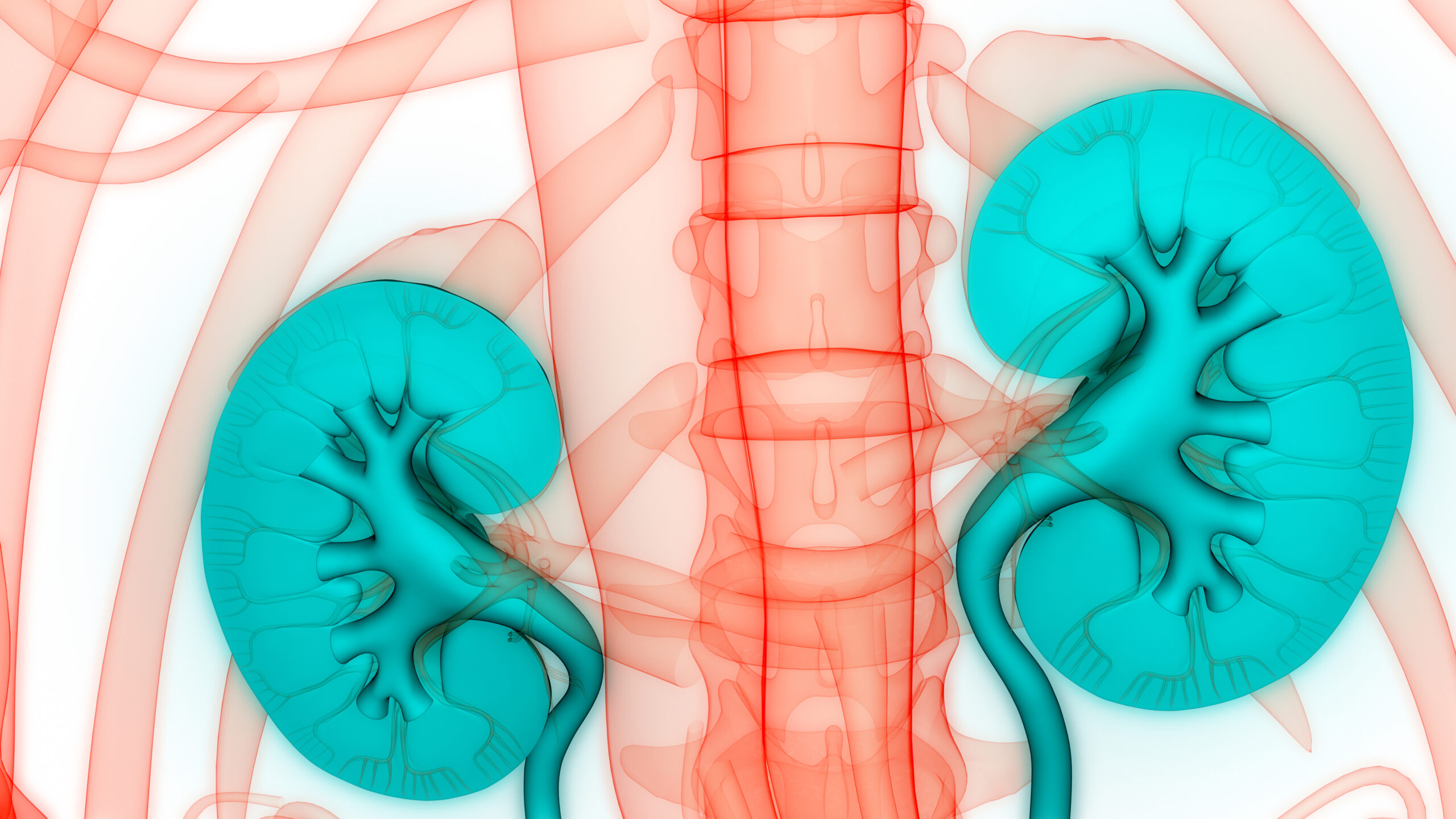
In 2020, approximately 3.8 million people worldwide suffered from end-stage kidney disease (ESKD)—a condition in which the kidneys can no longer remove toxins and excess fluids from the body. Due to a severe shortage of donor kidneys, dialysis remains the only life-saving treatment for nearly 80% of patients.
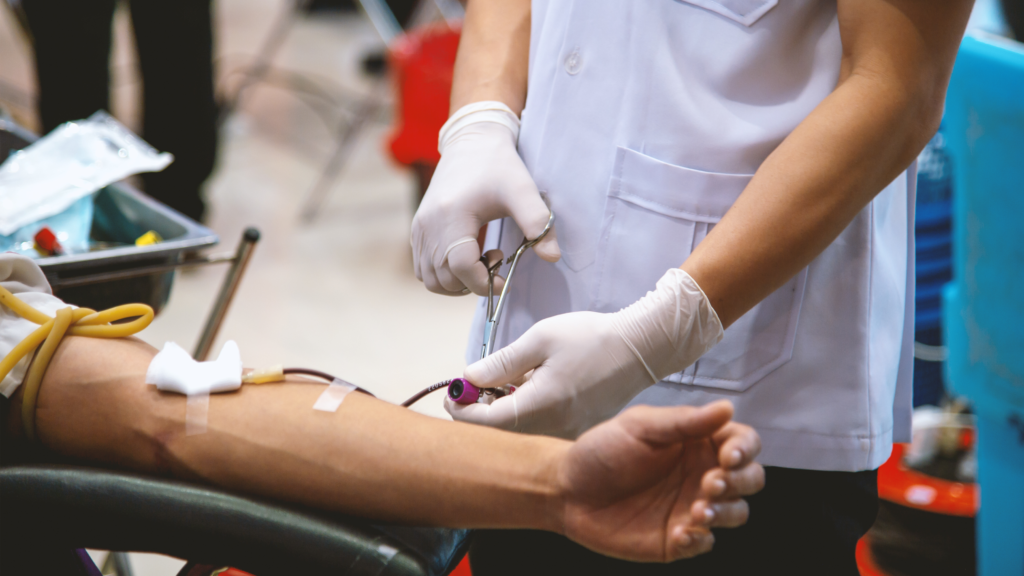
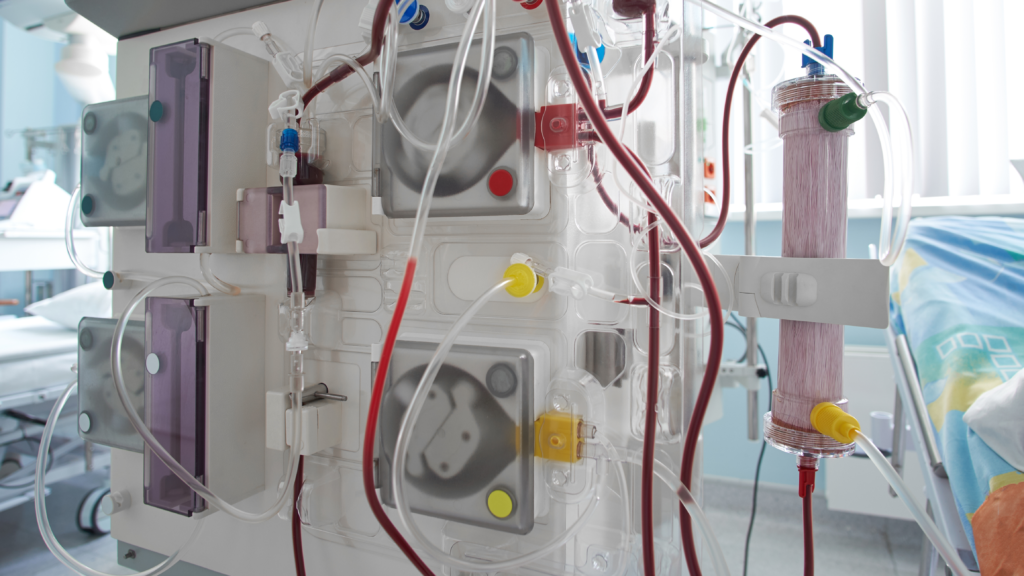
For effective dialysis, the machine must be connected to a blood vessel with a thickened wall that can withstand repeated punctures with large needles, and with very high blood flow to clean the blood efficiently within only a few hours per treatment session. Since such a vessel does not naturally exist, surgeons create it by connecting an artery to a vein, forming an arteriovenous fistula (AVF).
While essential, this high-flow vascular access often leads to serious complications. The continuous high and turbulent blood flow can damage blood vessels, overload the heart, and result in repeated interventions—significantly impacting patients’ health and quality of life. At XS Innovations, we are developing breakthrough technology to control blood flow, address the root cause of complications, and fundamentally transform dialysis access.
With the number of ESKD patients projected to rise to 5.4 million by 2030, driven by aging populations, lifestyle-related diseases, and improved access to treatment, the need for safer and more durable vascular access has never been greater. At XS Innovations, we are committed to transforming dialysis care and enabling patients to live healthier, better lives.
.
XS Innovations is developing the first patented implantable valve that opens the artery-vein connection (AVF) only during dialysis—addressing the root cause of complications: continuous high and turbulent blood flow.
Show videoReducing Complications. Improving Quality of Life.
By eliminating continuous high blood flow, XSGuard addresses the root cause of serious vascular access complications and reduces the need for repeated interventions.
Improved vascular access patency

Improved cardiac function

Decreased chances of steal syndrome

Decreased chances of aneurysms
Reduced compression time and bleeding risk