
The XSGuard™ Dynamic AVF
Dynamic Blood Flow Control for Safer Dialysis
Current vascular access solutions all share the same limitation: they rely on a permanently open connection between an artery and a vein. While this high-flow connection is essential during dialysis, it remains active 24 hours a day, creating the conditions that drive many of the complications experienced by dialysis patients.
The XSGuard™ Dynamic AVF takes a fundamentally different approach.
Instead of accepting continuous high blood flow as unavoidable, XSGuard actively controls blood flow by opening the artery-vein connection only when dialysis is required and closing it between treatments. This restores normal circulation during daily life while maintaining the high blood flow needed for efficient dialysis.
By addressing the root cause of vascular access complications—continuous high and turbulent blood flow—XSGuard has the potential to significantly improve patient outcomes and quality of life.
How It Works
The XSGuard™ is a fully implantable vascular access device that is implanted using familiar vascular surgical techniques.
Fully Implantable
The device is implanted between the artery and vein using a short graft segment of less than one centimeter. No external components remain attached to the patient.
Magnetically Controlled
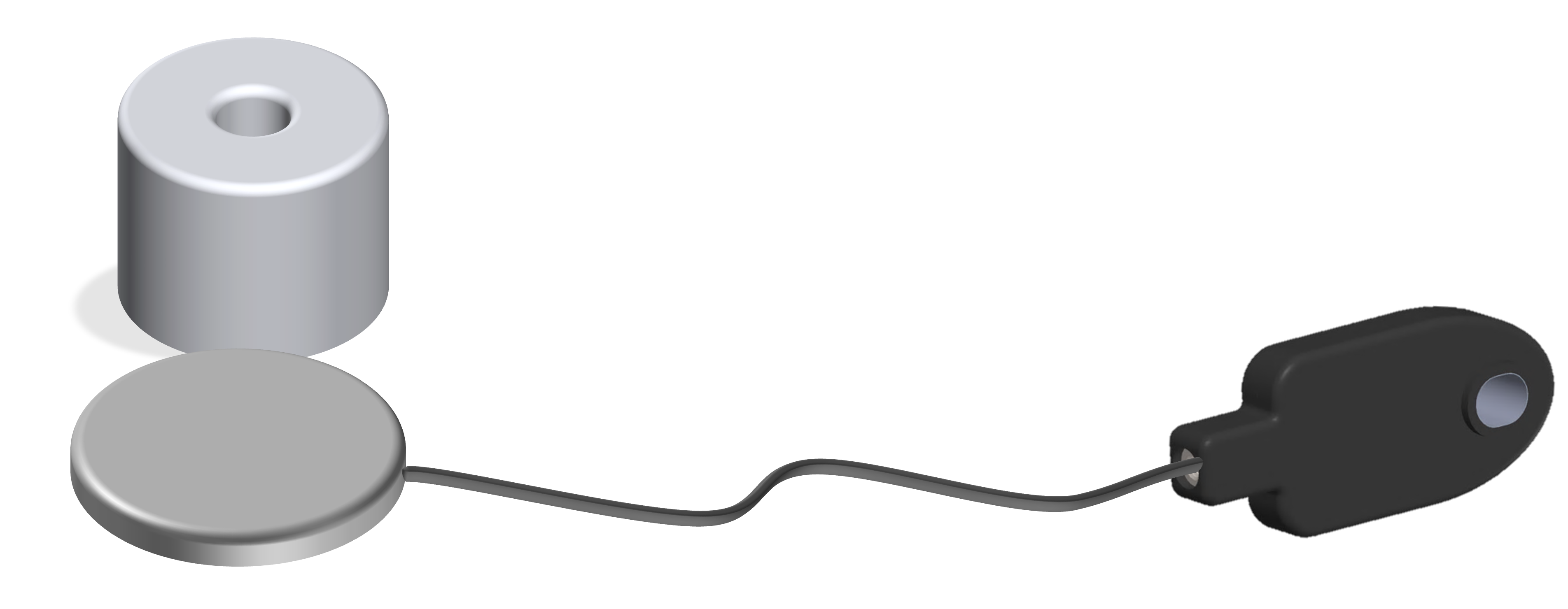
A patented external magnetic activator allows the device to be opened and closed non-invasively. No needles, batteries, electronics, or implanted power sources are required.
Open During Dialysis
During dialysis, the magnetic actuator opens the device, creating the high-flow artery-vein connection required for efficient treatment.
Closed Between Treatments
After dialysis, the device closes completely, stopping blood flow through the fistula and restoring normal circulation.
Designed to Prevent Thrombosis
The patented valve geometry eliminates stagnant blood pockets when the device is closed, minimizing the risk of thrombosis and maintaining long-term functionality.
Designed to Address the Root Cause of Complications
Unlike conventional vascular access, which exposes patients to continuous high-flow stress, XSGuard is designed to reduce exposure to these abnormal hemodynamics by more than 90%.
This may help:
Preserve Vascular Access
Reducing continuous turbulent flow may decrease vessel wall injury, stenosis formation, and access failure, helping maintain long-term access patency.
Reduce Cardiac Burden
Closing the artery-vein connection between dialysis sessions restores normal vascular resistance and may reduce the chronic workload placed on the heart.
Lower Bleeding Risk
Blood flow returns to normal immediately after treatment, potentially reducing compression time and post-dialysis bleeding risk.
Reduce Steal Syndrome
Normal blood circulation to the hand and forearm is restored between treatments, reducing the risk of ischemic symptoms.
Prevent Aneurysm Formation
Reducing continuous high-flow exposure may help limit progressive enlargement and weakening of the access vein.
A New Standard in Dialysis Access
The XSGuard™ Dynamic AVF combines the benefits of high-flow dialysis access with the physiological advantages of normal circulation between treatments.
Our vision is simple:
Provide high blood flow when needed. Restore normal blood flow when it is not.
By dynamically controlling vascular access, XSGuard has the potential to reduce complications, decrease interventions, lower cardiac burden, and improve the lives of dialysis patients worldwide.
“The Dynamic AVF is a highly promising new approach to vascular access that has the potential to significantly reduce complications such as access failure, cardiac stress, and steal syndrome.”